Moisture Readings Explained: What They Tell You About Water Damage in Florida Buildings
Moisture readings sound simple, and on paper they are. A technician checks building materials with a meter, gets a number, and uses that number to judge whether a wall, floor, or ceiling is dry. In real buildings, especially in Florida, those numbers need context. A reading by itself does not tell the whole story. It points to a condition, and then the real work begins.
That matters because water damage in Florida rarely stays a one-room problem for long. Humid air, wind-driven rain, afternoon storms, stressed air conditioning systems, and long hurricane seasons all make moisture behave differently here than it does in drier climates. A drywall panel in Lake County can hold onto moisture longer than a homeowner expects. A commercial suite in Orlando or Seminole County can look fine from the lobby while hidden dampness lingers inside wall cavities. A property manager water damage call often starts with a stain on a ceiling tile and ends with a much wider drying plan.
When people ask what moisture readings tell you, my short answer is this: they help show where water traveled, what materials are still affected, whether drying is working, and how likely secondary problems are if nothing changes. Secondary problems can include damaged finishes, warped materials, and concerns about indoor air quality Florida building owners already take seriously because of year-round humidity.
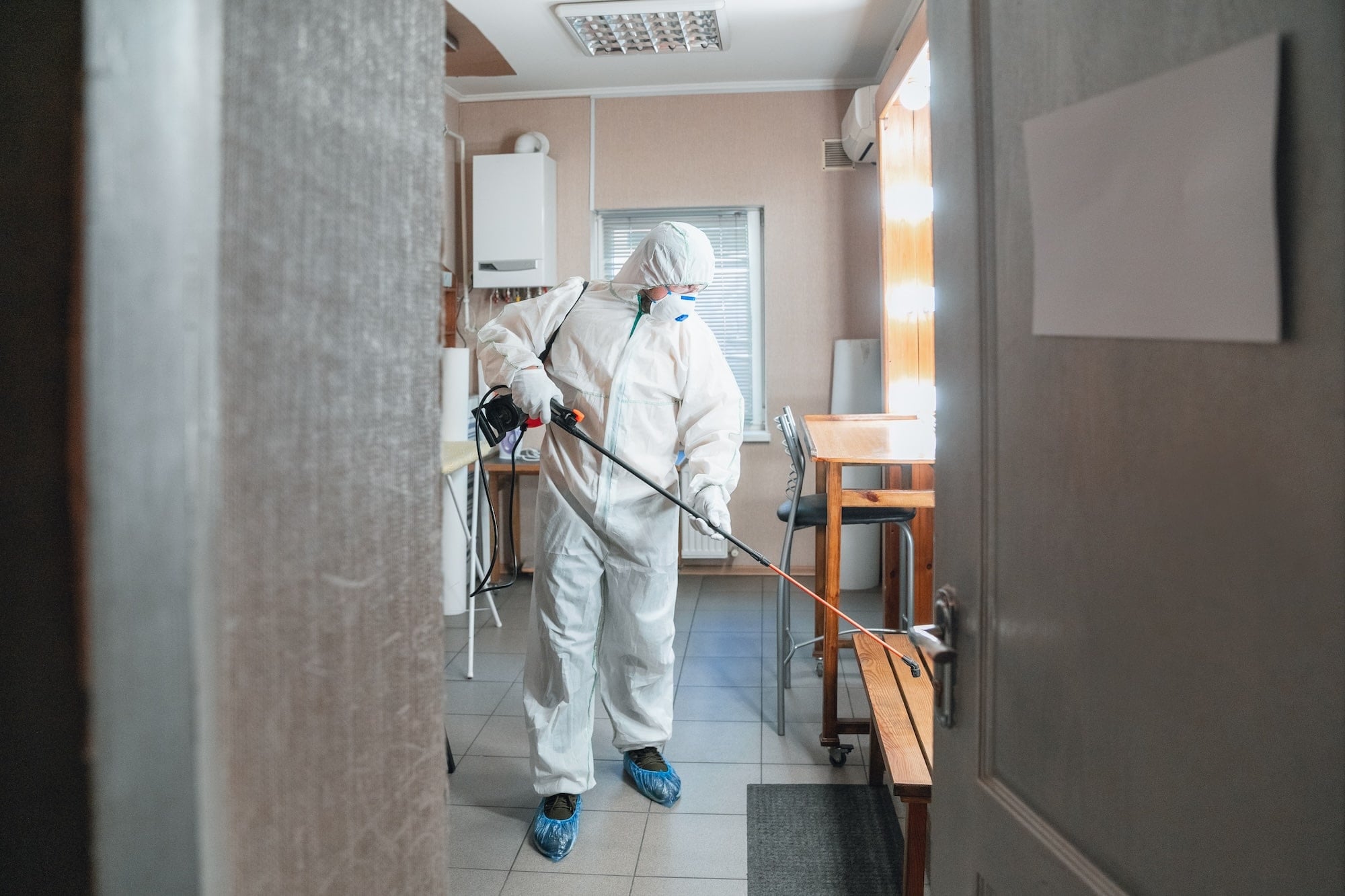

Why moisture readings matter more in Florida
Florida buildings live under constant moisture pressure. Even when there is no active leak, outdoor humidity pushes inward, cooled surfaces collect condensation, and small envelope failures can become bigger issues over time. During hurricane season preparation Florida owners often focus on roofs, windows, and flood plans, which is wise. But the less dramatic situations often cause just as much trouble: an AC issue during a hot week, a slow plumbing leak behind a vanity, rain intrusion around a door threshold, or moisture that was never fully removed after an earlier loss.
The Florida Department of Health has made a practical point that experienced restoration crews already know: visible moisture or water damage deserves attention, and mold sampling is not the first step. That lines up with what moisture readings are for. Before anyone argues about testing, species, or lab results, you need to know whether materials are wet now, whether they were likely wet recently, and whether conditions support future growth.
That is also where some common mold myths cause confusion. People often think mold only follows dramatic flooding, or that if they cannot smell anything the building must be dry. Neither idea holds up well in Florida. A room can feel normal and still have elevated moisture inside baseboards, under flooring, or behind cabinetry. By the time a musty odor becomes obvious, the problem has usually been around longer than the owner hoped.
What a moisture reading actually measures
A moisture meter does not hand you a complete diagnosis. It gives you a data point about the condition of a material at that moment. Used correctly, that data is extremely useful. Used casually, it can mislead.
Readings are best understood as part of a pattern. A technician compares affected areas with known dry areas of the same or similar material. Instead of obsessing over one number, they look at how readings change across a room, up a wall, around a window, or from one side of a doorway to the other. That comparison matters because buildings are not uniform. An older home inspection older homes Florida buyers review may reveal materials, repairs, and add-ons that respond differently to moisture than newer construction.
In practice, a reading can help answer questions like these. Is the stain just cosmetic, or is the drywall still damp? Did water stop at the surface, or did it wick upward into adjacent materials? Is the subfloor drying, or has progress stalled? Did moisture reach contents and insulation, or stay confined to one finish layer?
The best technicians also use readings over time. One visit tells you where moisture is. Multiple visits tell you whether the structure is actually drying.
Reading the building, not just the meter
Moisture meters are important, but they are not magic. Anyone who has worked enough losses knows you can get technically correct numbers and still misunderstand the job if you ignore the building itself.
Take a simple ceiling stain after a thunderstorm. If readings are elevated only at the stain and nearby materials remain consistent with dry reference areas, the problem may be localized. If the surrounding drywall and framing path show broader impact, the visible stain is just the clue, not the whole damage zone. The meter helps map the spread, but the technician still has to think through gravity, airflow, insulation, roof geometry, and how long the intrusion may have been happening.
The same is true in commercial mold remediation and drying work. In offices, schools, medical suites, and retail spaces, moisture may move above suspended ceilings, behind vinyl wallcoverings, along floor transitions, or through shared wall cavities. A single wet reading in one unit can have implications next door. A careful inspection is what turns raw data into an informed plan.
This is one reason owners sometimes hear the phrase mitigation vs remediation and assume the difference is just semantics. It is not. Mitigation focuses on limiting further damage and beginning stabilization. Remediation addresses contamination or damaged materials that must be properly corrected. Moisture readings play a role in both, but they are especially important in mitigation because they guide the first decisions about extraction, removal, containment, and drying equipment.
What the numbers can reveal after different kinds of water events
Not all water losses behave the same way. A broken supply line usually produces a sharper, more obvious wet pattern. Wind-driven rain during a storm can create scattered intrusion points that are harder to trace. A long-term leak may show more subtle but wider material deterioration.
After storm intrusion, readings often help separate direct impact from migrated moisture. Water can enter one point and show up several feet away. In Florida, that gets more complicated because ambient humidity may already be elevated. Materials can feel cool and slightly damp even in rooms that did not take on liquid water. That is why an experienced technician establishes unaffected reference areas whenever possible.
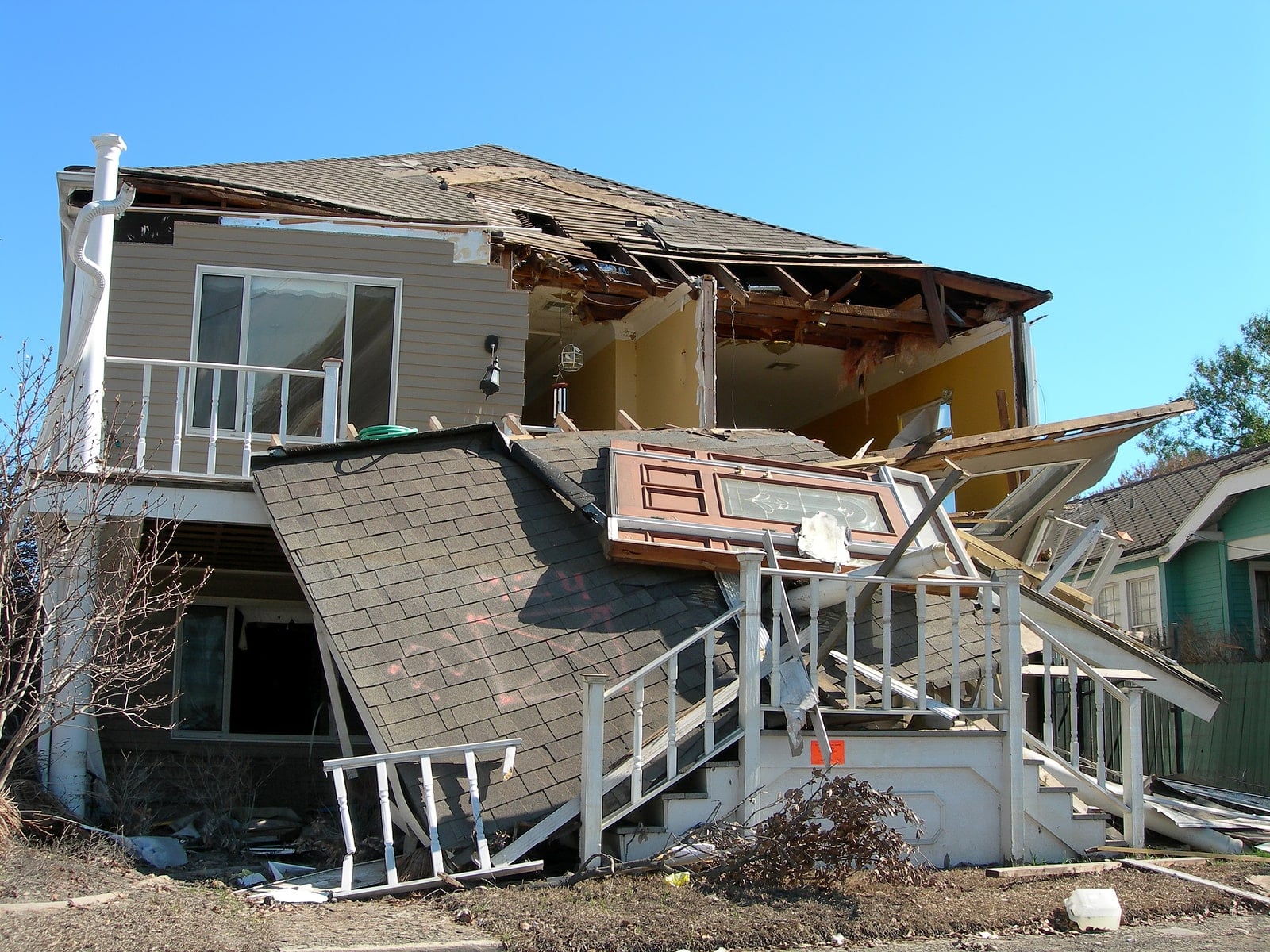
After HVAC-related events, moisture readings become especially useful around registers, closets, exterior walls, and areas with low airflow. Summer AC strain can create conditions where condensation or poor dehumidification contributes to dampness without a dramatic leak. Homeowners are often surprised by this because there is no burst pipe and no flood line, just a gradual moisture problem that starts showing itself through odors, staining, or buckling.
In older buildings, interpretation takes even more judgment. Plaster, layered repairs, dense finishes, and previous remodel work can all affect how moisture appears and how long it stays. A home inspection older homes Florida buyers receive may point out deferred maintenance or historical staining, but a current moisture survey helps distinguish old evidence from present conditions.
Drying is not guesswork
A good drying plan should be measurable. Without moisture readings, too many decisions become subjective. The room looks better. The paint feels dry. The odor seems lighter. Those observations matter, but they are not enough.
Drying is about getting materials back toward an acceptable dry standard for that structure, then confirming that progress. That is where dehumidification and air scrubbers often enter the conversation, though they serve different purposes. Dehumidification removes moisture from the air so wet materials can continue releasing moisture. Air scrubbers help address airborne particles and improve containment conditions during certain restoration activities, but they do not dry wet walls on their own. People sometimes lump all machines together, yet each piece of equipment has a specific role.
If the readings are dropping visit after visit, the drying strategy is likely working. If they flatten out, you start asking tougher questions. Is hidden moisture trapped behind impermeable materials? Is the affected visit website area larger than originally mapped? Is indoor humidity too high for efficient drying? Does some material need removal because it is preventing the rest of the structure from drying properly?
A building owner usually sees fans and hears equipment noise. The technician sees a controlled process, and moisture readings are the report card.
A practical water damage checklist for owners and managers
When water shows up where it should not, speed matters, but so does discipline. Panic leads to shortcuts, and shortcuts often create bigger remediation bills later.
- Stop the source if it is safe and possible, then limit access to the affected area.
- Document what you can see, including where staining, dripping, or odors are present.
- Get professional moisture mapping started early, especially in hidden cavities and adjoining spaces.
- Ask how drying progress will be measured, not just what equipment will be placed.
- Keep an eye on indoor conditions afterward, because lingering moisture can affect finishes and indoor air quality Florida occupants notice quickly.
That simple water damage checklist helps owners avoid one of the most common mistakes in Florida, assuming that once visible water is gone the job is finished.
Why visible dryness can be misleading
Paint can dry faster than drywall behind it. Tile can look unaffected while moisture remains below the surface. Baseboards can seem firm while the lower wall cavity still holds damp air. This mismatch between appearance and condition causes a lot of disputes between property owners, tenants, contractors, and insurers.
For property managers, this is where clear documentation matters. In multi-unit or mixed-use buildings, one tenant may say the issue is resolved while another still notices odor or discomfort. Moisture readings create a shared reference point. They do not eliminate every disagreement, but they move the discussion away from opinion.
This also ties directly to indoor air quality Florida concerns. Occupants often describe the issue first as a smell, a heavy feeling in the room, or a sense that the AC is running but the space never quite feels dry. Those observations should not be dismissed. At the same time, they should be investigated with building science in mind. Odor alone does not prove one specific cause, and lack of odor does not prove the absence of moisture.
Smoke odor removal work offers a useful comparison. In fire-related restoration, smell may persist even when obvious soot is gone because residues remain in porous materials or HVAC pathways. Water damage can behave similarly in its own way. The visible symptom and the deeper condition are not always the same thing.
Mold concerns, without the myths
Mold myths spread fast after water losses. One myth says any dampness means the entire property is ruined. Another says a little bleach solves everything. A third says testing should come before anything else. Real projects are rarely that neat.
The practical sequence is simpler. Find the moisture, stop it, map it, dry it, and remove damaged materials where needed. If mold growth is visible or contamination is suspected, commercial mold remediation or residential remediation should be handled appropriately. But if materials are still wet, drying and moisture control remain central. Otherwise the underlying problem stays in place.
Florida health guidance supports that common-sense approach. Moisture issues and water damage deserve attention first. Sampling is not the default first move. For owners, that is useful because it keeps the focus where it belongs, on correcting building conditions.
Renovation adds another layer
Water damage inspections sometimes uncover something else entirely: renovation plans that now need more caution than expected. In older commercial and residential buildings, damaged finishes or demolition areas may raise the question of an asbestos survey before renovation. That is not a scare tactic. It is a compliance and safety issue.
Florida regulates asbestos work through licensure and abatement rules, and the state framework is designed to reduce fiber release during demolition and renovation. In some projects, especially outside straightforward single-family situations, you do not want to start opening wet walls or removing old materials without understanding whether regulated materials may be present. A licensed asbestos business must meet state requirements, and owners should treat that step seriously.
This matters because water losses often accelerate renovation decisions. A property owner who planned to patch and paint may suddenly be considering a larger tear-out. Once the scope changes, the questions around regulated materials can change too.
Local realities in Central Florida
In Central Florida communities like Groveland, Clermont, Minneola, Mascotte, Howey-in-the-Hills, Mount Dora, and Leesburg, moisture problems often have a familiar rhythm. Summer storms hit hard, then humidity hangs around. Hurricane season runs from June 1 through November 30, and preparation should happen before the season starts. That window shapes how buildings are maintained and how quickly small vulnerabilities turn into claims.
For owners in Lake County and nearby Orange, Seminole, and Osceola counties, the lesson is straightforward. Do not wait for dramatic damage before taking moisture seriously. The buildings that fare better are usually the ones with faster response, better documentation, and a realistic understanding of how long structural drying can take in humid conditions.
That is also why 24/7 emergency cleanup Lake County searches spike after major storms. People know the first hours matter. The challenge is making sure the response is not just fast, but informed. Equipment placement without moisture mapping is incomplete. Surface cleaning without confirming dryness is incomplete. A repaired ceiling without resolving the wet cavity above it is incomplete.
What good moisture documentation looks like
Owners do not need to become restoration technicians, but they should know what competent documentation feels like. You should be able to understand where moisture was found, what materials were affected, what areas were compared as dry standards, and whether readings are trending in the right direction.
A solid update from a restoration team usually answers a few essential questions:
- What materials are wet, and how far has the moisture spread?
- Are readings improving, stable, or worsening since the last visit?
- What equipment or containment is in place, and why?
- Is there concern about hidden damage, regulated materials, or microbial growth?
- What conditions must be met before the drying phase is considered complete?
Those answers help everyone involved make better decisions, from homeowners to facility directors.
The bigger picture behind one small reading
A moisture reading is not just a number on a screen. It is a clue about a building’s recent history and its near future. It can show whether a storm event was more intrusive than it first appeared. It can confirm that drying is moving in the right direction, or reveal that it is not. It can support decisions about whether materials can be saved, whether remediation is needed, and whether adjacent spaces should be opened and checked.
In Florida, where heat and humidity work against you for much of the year, that information is especially valuable. Buildings here do not get many free passes. Moisture left in place tends to stay relevant.
If you own, manage, or maintain property in Central Florida, the smartest approach is to treat moisture readings as part of a larger discipline, not a box to check. Read the building carefully. Compare materials thoughtfully. Respect the local climate. And when damage appears, move early enough that the meter becomes a tool for control, not a record of how long the problem was ignored.